What Makes Private Education Options in Paris So Attractive to International Families?
Academic Excellence and International Recognition
The appeal of private education options paris lies fundamentally in their exceptional academic standards and global recognition. Recent 2024 enrollment statistics reveal a 15% increase in international student registrations, reflecting growing confidence in Parisian private institutions. These schools consistently outperform public counterparts in standardised assessments, with many achieving 95%+ university acceptance rates to prestigious international institutions. The rigorous curriculum design incorporates both French educational excellence and international frameworks, ensuring students receive qualifications recognised worldwide. Elite education paris institutions maintain smaller student-to-teacher ratios, averaging 12:1 compared to 25:1 in public schools, enabling personalised attention that nurtures individual potential. Faculty recruitment emphasises advanced degrees and international teaching experience, creating environments where academic ambition thrives. The emphasis on critical thinking, multilingual competency, and cultural awareness prepares students for global citizenship in an increasingly interconnected world.
Multilingual Environment and Cultural Integration
International families gravitate toward private education options paris for their sophisticated approach to multilingual education and cultural integration. Institutions like École Galilée https://www.ecolegalilee.fr/en/private-school-in-paris in the 16th arrondissement exemplify quality bilingual education paris, offering seamless instruction in French and English while maintaining cultural authenticity in both languages. These schools create environments where linguistic diversity becomes an asset rather than a barrier, with students typically achieving native-level proficiency in multiple languages by graduation. The cultural integration extends beyond language, incorporating international perspectives into curriculum design, celebrating diverse traditions, and fostering global mindsets. English speaking schools paris particularly excel at supporting expatriate children's transition while ensuring they maintain connections to their heritage cultures. Teachers often represent multiple nationalities, providing authentic cultural insights and role models for international students navigating their multicultural identities.
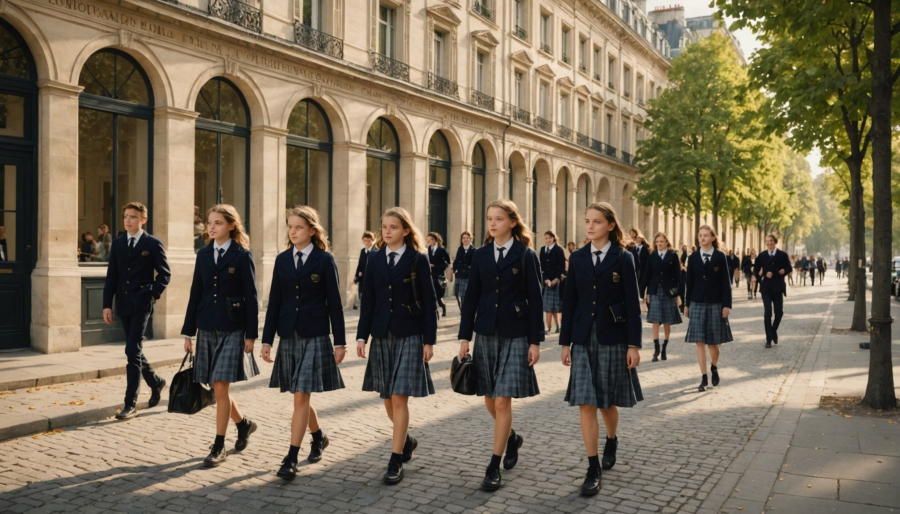
Tailored Support for Expatriate Families
The specialised support systems offered by private schools paris address the unique challenges facing expatriate families relocating to France. These institutions understand the complexities of international transitions, providing comprehensive orientation programmes that extend beyond academics to include practical integration support. Dedicated international coordinators assist families with enrollment procedures, cultural adaptation, and ongoing communication in multiple languages. Many schools offer flexible entry points throughout the academic year, accommodating corporate relocation schedules and international transfers. International schools paris maintain extensive alumni networks spanning global business centres, creating valuable connections for university planning and career development. The pastoral care systems recognise the emotional challenges of international moves, providing counselling services and peer support networks. Schools often collaborate with expatriate communities and international organisations, creating broader support ecosystems. École Galilée demonstrates this comprehensive approach through their integrated international family support services.
Smart insight: Private education in Paris offers unmatched international preparation for globally mobile families!
Essential insights
- Academic Excellence : Private schools in Paris achieve 95%+ university acceptance rates with exceptional teacher-student ratios averaging 12:1, significantly outperforming public institutions
- Multilingual Environment : Bilingual education paris institutions offer seamless French-English instruction while maintaining cultural authenticity, preparing students for global citizenship
- Diverse Educational Options : From british curriculum paris to international schools paris, families can choose between contracted schools (€1,000-4,000) and independent institutions (€15,000-35,000) annually
- Specialised Support Systems : Expatriate schools paris provide comprehensive orientation programmes, cultural integration support, and flexible entry points throughout the academic year
- Tailored Learning Approaches : Small class sizes paris enable personalised attention for diverse learning needs, with institutions like École Galilée offering innovative programmes specifically designed for gifted children schools paris
Comparative Overview of Private Education in Paris for International Families
| Feature | Details |
|---|---|
| Student to Teacher Ratio | Average of 12:1 in private schools vs. 25:1 in public schools, enabling personalized attention |
| Tuition Costs | Range varies from €1,000-4,000 (contracted schools) to €15,000-35,000 annually (independent international schools) |
| International Recognition | Over 95% university acceptance rates, global curricula like IB, British GCSEs, A-Levels, and French Baccalauréat |
Private education in Paris caters to a diverse array of international families seeking excellence and cultural fluency. With tailored programmes and small class sizes, these schools support individual potential. They also facilitate global mobility through recognized curricula and international orientation support.
"A choice for parents aiming for a truly global education that combines academic rigor with cultural richness."
How Does the Private School System Work in Paris?
Paris hosts over 280 private educational institutions serving approximately 85,000 students as of 2024 enrollment statistics, making private education options paris remarkably diverse and competitive. These schools operate under contract with the French state or as fully independent institutions, each offering distinct pedagogical approaches. Understanding this complex landscape becomes essential for families seeking quality education, whether they're French nationals or international expatriates navigating their children's academic future.
Contracted Private Schools (Sous Contrat)
The majority of private schools paris operate under government contracts, following the French national curriculum while maintaining their unique identity. These institutions receive state funding for teacher salaries but charge modest fees ranging from €1,000-4,000 annually. Religious schools dominate this category, with Catholic institutions like École Sainte-Geneviève offering traditional values alongside academic excellence. Secular contracted schools focus purely on educational innovation without religious influence. Admission typically requires application submission by February, followed by interviews assessment student motivation and family commitment. Class sizes average 25-28 students, slightly smaller than public schools. These schools must accept students regardless of religious background, though priority often goes to practising families. The curriculum includes mandatory French language instruction, making them ideal for families planning long-term residence in France while maintaining affordability.
Independent Private Schools (Hors Contrat)
Fully independent institutions represent the premium tier of private education options paris, operating without government funding or curriculum restrictions. International schools paris like the American School of Paris charge €15,000-35,000 annually, offering british curriculum paris or International Baccalaureate programmes. These schools feature exceptional facilities, technology integration, and class sizes of 12-18 students maximum. Bilingual education paris programmes immerse students in English-French environments, preparing them for global universities. Admission processes include entrance examinations, academic records review, and comprehensive interviews. Many cater specifically to expatriate schools paris communities, providing cultural transition support and maintaining international accreditation. Elite French institutions like École Alsacienne combine rigorous academics with innovative teaching methods. These schools offer greater flexibility in curriculum design, enabling specialized programmes for gifted children schools paris or artistic talents while maintaining academic excellence.
Specialized Educational Programmes
English speaking schools paris have expanded significantly, offering diverse curricular options from American Common Core to Cambridge International programmes. Small class sizes paris enable personalized attention, with teacher-student ratios often reaching 1:10 in premium institutions. Many schools provide dedicated support for learning differences, advanced placement courses, and university preparation programmes. Private primary schools paris emphasize foundational skills through innovative methodologies, while private secondary schools paris prepare students for prestigious universities worldwide. Admission timelines vary considerably, with popular schools requiring applications 12-18 months in advance. Some institutions offer scholarship programmes or sibling discounts to manage private school fees paris. The regulatory framework requires all schools to meet safety standards and teacher qualifications, though pedagogical freedom varies between contracted and independent status. Many families appreciate the cultural diversity and global perspective these specialized programmes provide.
Smart tip: Research school accreditation status early, as this affects university recognition and transfer possibilities!
Which Types of Private Schools Can You Find in Paris?
Paris hosts over 150 private educational institutions in 2024, making private education options paris exceptionally diverse for international families. From prestigious bilingual programmes to specialized curricula for gifted learners, the capital offers unparalleled educational variety that attracts families worldwide seeking excellence beyond traditional state schooling.
International Schools with Global Curricula
International schools paris deliver world-renowned programmes like the International Baccalaureate, preparing students for university admission globally. These institutions typically serve expatriate communities with multilingual environments where English, French, and native languages blend seamlessly. Schools such as the American School of Paris and International School of Paris offer comprehensive curricula from primary through secondary levels. Class sizes remain intentionally small, averaging 15-20 students per teacher, ensuring personalized attention. Tuition ranges from €15,000 to €35,000 annually, reflecting premium facilities and international accreditation. Many feature state-of-the-art science laboratories, performing arts centres, and Olympic-standard sports facilities. Private education options paris within this category emphasize global citizenship, critical thinking, and cultural awareness. Students benefit from diverse peer groups representing 50+ nationalities, creating natural networking opportunities for future international careers. These schools typically require entrance assessments and interviews, with applications opening 12-18 months in advance for popular institutions.
Bilingual French-English Institutions
Bilingual education paris combines French academic rigour with English fluency, creating perfectly balanced linguistic development. These schools follow adapted French national curricula while incorporating English-language instruction across multiple subjects. Students achieve native-level proficiency in both languages, earning the coveted Baccalauréat Option Internationale du Baccalauréat (OIB). Notable institutions include Lycée International de Saint-Germain-en-Laye and several Jeannine Manuel campuses throughout Paris. Teaching methods blend French analytical approaches with Anglo-Saxon creative methodologies, producing well-rounded graduates. Small class sizes paris ensure intensive language practice and cultural immersion. Annual fees typically range €8,000-€25,000, making them accessible alternatives to purely international schools. Students participate in exchange programmes with partner schools in English-speaking countries, enhancing cultural understanding. These programmes particularly appeal to Franco-British families or international professionals planning extended stays in France. Admission requires linguistic assessments in both languages, with some schools offering preparatory programmes for non-native speakers.
British Curriculum and English-Speaking Schools
British curriculum paris schools deliver authentic UK education standards, preparing students for GCSEs and A-Levels while maintaining strong university placement records. The British School of Paris and Marymount International School exemplify this approach, offering structured learning environments familiar to UK expatriate families. These english speaking schools paris follow National Curriculum guidelines adapted for international contexts, ensuring seamless transitions for students moving between countries. Class structures mirror traditional British grammar school models with house systems, prefects, and competitive sports programmes. Teachers typically hold UK qualifications and experience, bringing authentic pedagogical approaches to Parisian campuses. Annual fees range €12,000-€28,000, competitive with similar institutions globally. Students benefit from dedicated UCAS counselling and strong alumni networks in prestigious UK universities. Extra-curricular activities emphasize leadership development through Duke of Edinburgh programmes, Model United Nations, and competitive debating societies. Many schools maintain boarding facilities for international students, creating supportive residential communities within the cosmopolitan Parisian environment.
Specialized Programmes for Gifted Children
Schools like École Galilée revolutionary approach to gifted children schools paris demonstrates how private education options paris address exceptional learning needs through innovative methodologies. These institutions recognize that intellectually gifted students require accelerated curricula, creative problem-solving opportunities, and emotional support systems. Specialized programmes feature compressed academic schedules, allowing students to complete traditional coursework efficiently while pursuing advanced research projects. Teachers receive specific training in gifted education psychology, understanding how to challenge without overwhelming young minds. Elite education paris extends beyond academic acceleration to include mentorship programmes with university professors and industry professionals. Class sizes remain extremely small, often 8-12 students, enabling intensive individualized instruction. These schools emphasize social-emotional development alongside intellectual growth, addressing the unique challenges gifted children face. Annual fees reflect specialized resources and expert staffing, typically €18,000-€32,000. Students participate in international academic competitions, mathematics olympiads, and scientific research symposiums. Admission requires comprehensive psychological assessments and portfolio reviews demonstrating exceptional intellectual potential.
Elite Preparatory Schools and Prestigious Institutions
France's most exclusive private secondary schools paris prepare students for entrance to grandes écoles and world-class universities through intensive academic programmes. Institutions like École Alsacienne and Lycée Sainte-Geneviève maintain centuries-old traditions while incorporating contemporary teaching methods. These schools attract France's intellectual elite, creating networks that influence careers for decades. Paris private education system reaches its pinnacle in these institutions, where admission becomes extremely competitive with acceptance rates below 15%. Students benefit from exceptional teacher-student ratios, often 1:10, ensuring personalized guidance throughout their academic journey. Facilities include specialized laboratories, extensive libraries, and professional-standard arts centres supporting comprehensive education. Annual tuition reflects premium positioning, ranging €20,000-€45,000, with additional costs for specialized programmes. Alumni networks extend into politics, business, academia, and the arts, providing unparalleled career opportunities. These schools emphasize intellectual curiosity, ethical leadership, and cultural sophistication. Extra-curricular offerings include classical music conservatory partnerships, archaeological expeditions, and internships with leading French corporations and international organizations.
Essential insight: Each school type serves distinct educational philosophies and family priorities within Paris's competitive landscape!
What Are the Benefits of Choosing Private Education in Paris?
The landscape of private education options paris has experienced remarkable growth, with enrollment increasing by 15% in 2024 according to recent French Ministry of Education statistics. International families increasingly recognise that these institutions provide exceptional educational frameworks designed to nurture academic excellence and personal development. What makes private education options paris the preferred choice for discerning international families seeking comprehensive educational experiences?
Personalised Learning Environment
The hallmark of paris private education system lies in its commitment to individualised attention through remarkably small class sizes, typically ranging from 12-18 students per classroom. This intimate learning environment enables teachers to identify each child's unique strengths, learning style, and areas requiring additional support. Teachers can adapt their instructional methods dynamically, ensuring no student falls behind whilst simultaneously challenging those ready for advanced concepts. The personalised curriculum approach means students receive tailored educational pathways that align with their academic abilities and future aspirations. For gifted children, elite education paris institutions often provide accelerated programmes and enrichment opportunities that traditional schools cannot match. This bespoke approach extends beyond academics to encompass emotional and social development, creating well-rounded individuals prepared for global citizenship. Parents frequently observe significant improvements in their children's confidence and academic performance within months of enrollment.
Enhanced Multilingual and Cultural Programmes
Exceptional language programmes represent another cornerstone of private schools paris, where students typically study in multiple languages simultaneously. Many institutions offer bilingual education paris programmes that seamlessly integrate French and English instruction, whilst some provide trilingual environments including German, Spanish, or Mandarin. Native English speakers benefit from specialised support systems that help them maintain their linguistic heritage whilst developing fluency in French and other languages. The cultural diversity within these schools creates natural immersion opportunities where students interact daily with peers from different nationalities, fostering global perspectives and intercultural competence. International festivals, cultural exchange programmes, and globally-minded curricula expose children to diverse worldviews and traditions. These experiences prove invaluable for families planning future international relocations or seeking to prepare their children for increasingly globalised professional environments. Students develop sophisticated communication skills and cultural sensitivity that serve them throughout their academic and professional careers.
Comprehensive Development Opportunities
Beyond traditional academics, private education options paris excel in providing holistic development through extensive extracurricular programmes and specialised support services. These institutions typically offer advanced STEM laboratories, creative arts studios, and sports facilities that rival university-level resources. Students access drama productions, robotics clubs, Model United Nations, and competitive sports teams that develop leadership skills and teamwork abilities. Many schools provide dedicated counselling services, learning support specialists, and university preparation programmes that guide students toward their ideal higher education pathways. The emphasis on critical thinking, creativity, and problem-solving prepares students for 21st-century challenges whilst maintaining rigorous academic standards. Partnerships with international organisations and universities create unique opportunities for advanced research projects, internships, and early university credit programmes. Teachers often hold advanced degrees and international teaching certifications, bringing diverse pedagogical approaches and global perspectives to their classrooms.
Expert insight: evaluate each school's educational philosophy carefully to ensure alignment with your family's values and long-term objectives.
How Much Do Private Schools Cost in Paris and What's Included?
Understanding the financial commitment behind private education options paris becomes crucial when 2024 statistics reveal over 15,000 international children enrolled across the capital's independent institutions. Families often wonder whether the substantial investment truly matches the educational value delivered. École Galilée exemplifies how transparent fee structures help parents make informed decisions about their children's academic future.
Primary School Fee Structure and Hidden Expenses
Private primary schools paris typically charge annual tuition ranging from €8,000 to €25,000, with prestigious establishments commanding higher rates. Registration fees add €500-2,000 to initial costs, often non-refundable regardless of admission outcomes. Material expenses including textbooks, uniforms, and digital resources contribute €800-1,500 yearly. English speaking schools paris frequently include technology packages within their fees, whilst French institutions may charge separately for tablets or laptops. Extracurricular activities vary dramatically - some schools bundle music, sports, and language clubs into tuition, others charge €200-800 per activity annually. Meal plans typically cost €1,200-2,000 yearly, though quality varies significantly between catered services and in-house kitchens. Transportation services, when available, add €1,500-3,000 annually depending on distance. Many private education options paris offer sibling discounts of 5-15%, whilst payment plans allow quarterly or monthly installments with minimal interest charges for families managing cash flow.
Secondary Education Investment and Specialised Programme Premiums
Secondary school fees escalate considerably, with private secondary schools paris charging €12,000-35,000 annually for standard curricula. International schools paris implementing IB programmes command premiums of 20-30% above French curriculum equivalents, justified by smaller class sizes and enhanced university preparation. British curriculum paris schools often include GCSE and A-Level examination fees within tuition, whilst others charge €200-500 per subject externally. Laboratory fees for science programmes add €300-800 yearly, covering specialised equipment and materials. University counselling services, increasingly valuable for competitive admissions, cost €2,000-5,000 when sourced externally but remain included at elite institutions. Bilingual education paris programmes rarely impose language-learning surcharges, instead investing heavily in native-speaking faculty recruitment. Sports facilities and equipment rental contribute €400-1,200 annually, though some schools boast impressive on-site amenities. Financial aid programmes exist at 70% of establishments, offering merit-based scholarships of 10-50% tuition reduction for exceptional candidates, plus need-based assistance for qualifying families.
Value Analysis Between Elite and Standard Educational Offerings
Elite education paris institutions justify premium pricing through exclusive advantages: average class sizes of 12-15 students versus 20-25 at standard schools, personalised learning approaches, and extensive alumni networks facilitating university placements. Small class sizes paris enable individualised attention impossible in larger settings, particularly benefiting students requiring academic support or gifted programmes. Standard curriculum schools focus on core academic delivery at €8,000-18,000 annually, offering solid educational foundations without luxury amenities. Specialised programmes for gifted children schools paris warrant additional investment through accelerated learning tracks, enrichment activities, and specialised teaching methodologies. Location significantly impacts pricing - schools in prestigious arrondissements charge 15-25% premiums over suburban alternatives whilst offering identical curricula. Payment flexibility varies considerably: elite institutions often demand annual payments upfront, whilst standard schools accommodate monthly plans. Scholarship availability differs markedly - prestigious schools offer limited aid targeting exceptional talent, whereas standard institutions provide broader need-based assistance. The paris private education system rewards thorough research, as hidden fees can inflate total costs by 20-40% beyond advertised tuition rates.
Budget tip: Always request detailed fee breakdowns including all mandatory extras before making final decisions.
What Should You Consider When Choosing a Private School in Paris?
Selecting from the numerous private education options paris requires careful evaluation of multiple factors that will shape your child's academic journey. With over 150 independent institutions serving international families in 2024, the decision becomes increasingly complex. Location accessibility stands as the primary practical consideration, as daily commutes through Paris traffic can significantly impact your family's routine and your child's wellbeing.
Educational Philosophy and Curriculum Alignment
Understanding each school's educational philosophy ensures alignment with your family values and academic expectations. British curriculum paris schools emphasise structured learning with clear progression pathways, while French independent institutions often prioritise intellectual rigour and cultural immersion. International schools paris typically adopt globally recognised programmes like the International Baccalaureate, fostering multicultural understanding and university preparation. Consider whether your child thrives in competitive environments or benefits from collaborative learning approaches. Some private education options paris focus on holistic development through arts integration, whilst others prioritise STEM excellence or classical education models. Visit schools during regular teaching hours to observe classroom dynamics and teacher-student interactions. Speak with current families about homework policies, assessment methods, and university placement records. The school's mission statement should resonate with your long-term educational goals, whether preparing for UK universities, maintaining cultural connections, or developing global citizenship skills that serve international careers.
Class Sizes and Individual Attention
Smaller class environments enable personalised learning experiences crucial for academic success and social development. Most elite private schools paris maintain ratios between 12-18 students per teacher, allowing educators to identify individual learning styles and provide targeted support. Small class sizes paris particularly benefit children requiring additional academic assistance or those with exceptional abilities needing enrichment opportunities. Investigate how schools handle mixed-ability classes and whether they offer differentiated instruction methods. Some institutions group students by academic level rather than age, whilst others maintain heterogeneous classes with varied support systems. Teacher qualifications matter significantly - seek schools employing native speakers for language instruction and subject specialists with relevant university degrees. Professional development programmes indicate institutional commitment to educational excellence. Observe whether teachers demonstrate genuine enthusiasm and cultural sensitivity when working with diverse student populations. Ask about teacher retention rates, as frequent staff changes disrupt learning continuity and relationship building essential for young learners' emotional security.
Support for Expatriate Families and Cultural Integration
Moving to Paris presents unique challenges requiring schools equipped to support international transitions and cultural adaptation. Expatriate schools paris typically offer comprehensive orientation programmes, buddy systems pairing new students with established peers, and dedicated counselling services addressing homesickness and identity questions. Language support becomes crucial - some children arrive speaking minimal French whilst others need English reinforcement. Evaluate whether schools provide intensive language programmes, mother tongue maintenance classes, or additional tutorial sessions. Cultural integration extends beyond language acquisition to include understanding French social norms, historical context, and contemporary society. Schools should celebrate diverse backgrounds whilst encouraging participation in local traditions and community events. Consider extracurricular offerings that blend international perspectives with French cultural experiences. Parent communities play vital roles in expatriate success - active parent associations facilitate networking, provide practical settling advice, and organise social activities that build lasting friendships. Private education options paris vary significantly in their international family support systems and cultural sensitivity approaches.
School visit tip: Schedule visits during break times to observe authentic student interactions and school atmosphere!
How Do You Apply to Private Schools in Paris?
Applying to private education options paris requires careful planning and thorough preparation, as most prestigious institutions receive significantly more applications than available places. The application process typically begins 12-18 months before the intended start date, with some international schools paris requiring even earlier submissions for popular year groups.
Initial Application and Documentation Requirements
The application journey starts with completing comprehensive application forms, which vary significantly between institutions. Most private schools paris require academic transcripts covering the previous two to three years, detailed teacher recommendations, and proof of language proficiency where applicable. British curriculum paris schools often demand specific assessment results or standardised test scores. Parents must also submit personal statements explaining their educational philosophy and reasons for choosing the particular institution. Financial documentation proving ability to pay fees is increasingly common, particularly for elite education paris establishments. Medical records, including vaccination certificates and any special educational needs assessments, complete the basic documentation package. Some schools request passport copies and proof of residence status in France, especially relevant for families considering expatriate schools paris. Photography requirements vary, with most institutions asking for recent passport-style images of both student and parents.
Assessment Procedures and Academic Evaluation
Academic assessment forms the cornerstone of admission decisions across private education options paris. Most institutions conduct entrance examinations tailored to the student's age group and intended curriculum. Primary applicants typically face literacy and numeracy assessments, often conducted in both English and French for bilingual education paris programmes. Secondary students encounter more rigorous testing covering core subjects including mathematics, sciences, and languages. English speaking schools paris may waive English proficiency tests for native speakers but require comprehensive academic portfolios demonstrating consistent achievement. Assessment days often include group activities designed to evaluate social skills, creativity, and collaborative abilities. Some gifted children schools paris implement specialised cognitive ability tests or creativity assessments. Parents should prepare children by reviewing curriculum expectations and practicing examination techniques. Mock interviews and sample test papers, when available, prove invaluable preparation tools for families navigating the competitive landscape of paris private education system.
Interview Process and Family Evaluation
Personal interviews represent crucial opportunities for families to demonstrate alignment with school values and educational philosophy. Student interviews typically explore academic interests, extracurricular passions, and personal goals, while assessing communication skills and emotional maturity. Parent interviews focus on educational expectations, family commitment to school community, and understanding of private school fees paris obligations. Some independent schools paris conduct family interviews including siblings, particularly when multiple children seek admission simultaneously. Interview preparation should include researching school history, understanding curricula offerings, and formulating thoughtful questions about small class sizes paris or specific programmes. Successful candidates demonstrate genuine enthusiasm for learning, cultural awareness appropriate for international environments, and realistic expectations about academic demands. Language proficiency becomes particularly important during interviews for private secondary schools paris, where students must articulate complex thoughts clearly. Follow-up communications, including thank-you notes and additional information requests, can strengthen applications significantly.
Waiting Lists and Alternative Strategies
Rejection from first-choice institutions doesn't signal the end of paris school admissions opportunities, as waiting lists frequently offer second chances when families withdraw acceptances. Maintaining active communication with admissions offices demonstrates continued interest and keeps applications visible during review periods. Alternative options include applying to multiple private primary schools paris or considering institutions with rolling admissions policies. Some families successfully appeal decisions by providing additional academic achievements or addressing specific concerns raised during initial evaluations. Late applications occasionally succeed when schools struggle to fill particular year groups or subject specialisations. Building relationships with school communities through attending events, volunteering opportunities, or parent networks can provide valuable insights and potential advocacy. Strategic timing proves essential, as some institutions maintain separate waiting lists for different entry points throughout the academic year. Flexibility regarding start dates or programme choices often improves admission prospects significantly.
Essential timing tip: begin your application process at least 18 months before your desired start date!
Questions fréquentes
What makes École Galilée unique among private schools in Paris?
École Galilée stands out through its innovative trilingual approach, combining British curriculum paris excellence with French cultural immersion and additional language options. Our small class sizes of maximum 15 students ensure personalised attention for each child. We cater specifically to gifted children schools paris needs through accelerated learning programmes and enrichment activities. Located in the heart of Paris, we offer flexible scheduling and project-based learning that develops critical thinking skills. Our experienced international teaching staff creates a nurturing environment where academic excellence meets creative expression, making us a preferred choice among discerning families seeking exceptional educational outcomes.
How do admission requirements work for international families?
The admission process for **private education options paris** varies by institution but typically includes academic assessments, previous school reports, and family interviews. Most international schools paris welcome applications year-round, though September intake remains most popular. École Galilée evaluates each child's academic level, language proficiency, and social readiness through informal assessments and trial days. We consider children aged 3-15 years, with particular attention to individual learning needs and family educational goals. Documentation requirements include passport copies, vaccination records, and previous academic transcripts. Our admissions team provides personalised guidance throughout the process, ensuring smooth transitions for expatriate families joining our vibrant learning community.
What are typical fee structures and additional costs?
**Private education options paris** fees range from €8,000-€25,000 annually depending on curriculum and facilities offered. Private school fees paris typically include core tuition, while extras like meals, transport, and extracurricular activities may cost additional €2,000-€5,000 yearly. Registration fees usually range €500-€2,000, with some schools requiring deposits equivalent to one term's fees. École Galilée offers transparent pricing with comprehensive packages including lunch, after-school care, and enrichment programmes. Many institutions provide sibling discounts and payment plans to accommodate family budgets. Financial aid opportunities exist for qualifying families, and some employers offer education allowances for international staff, making quality education more accessible.
Essential insight: thorough research ensures the right educational fit for your child's unique potential!
